Scuba Diving from Koh Samui: Your Honest Guide to Koh Tao Dive Trips
Everything a Samui local knows about getting to Koh Tao's reefs and back in one piece.
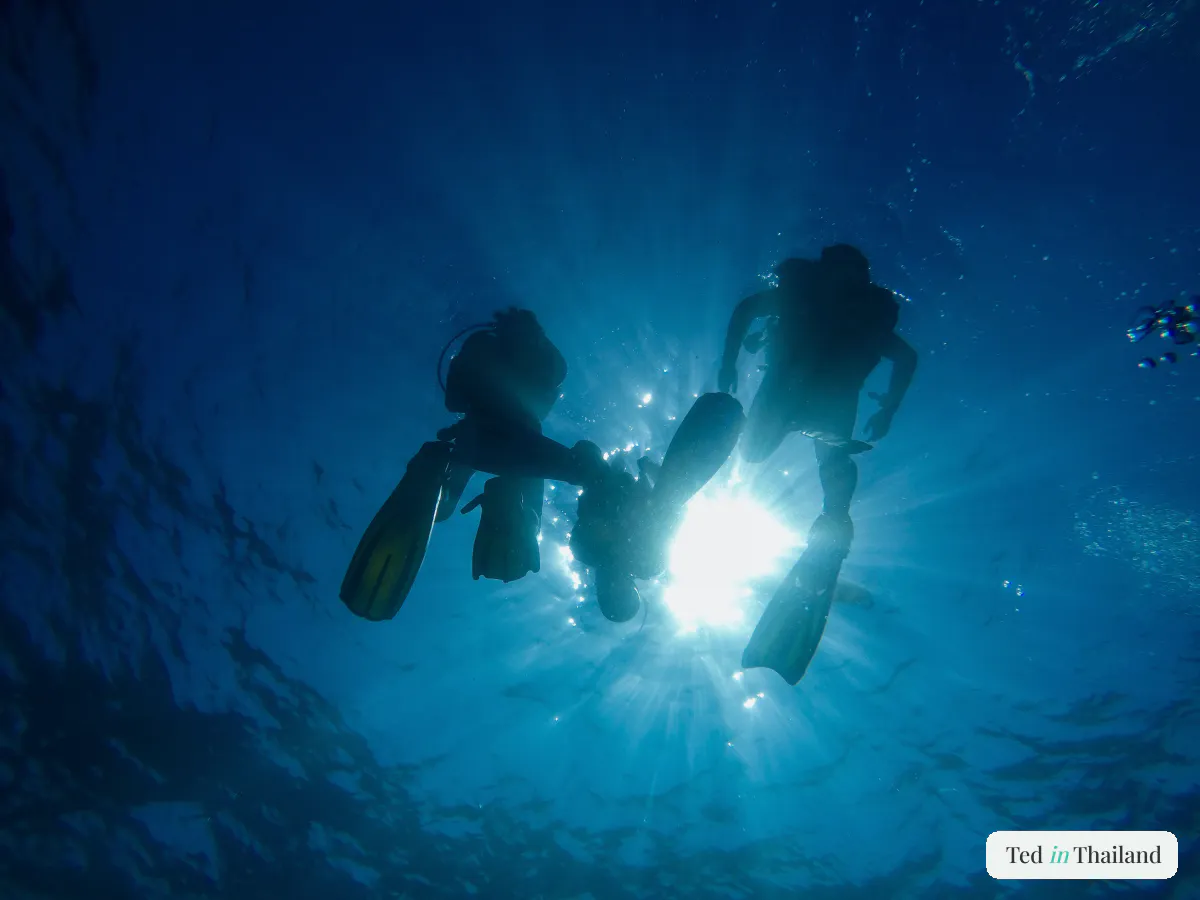
- Koh Tao is the real dive hub; Samui's nearshore reefs are fine for quick snorkeling but can't compete
- Day trips run ~1,200 to 2,500 THB and work for fun dives, but certification needs at least two nights on Koh Tao
- PADI Open Water costs ~9,900 to 12,000 THB with gear and boat fees typically included
- Always ask operators about safety gear, boat maintenance, and instructor ratios before booking
- Check the last 90 days of reviews, not just the overall rating, since crews and boats rotate
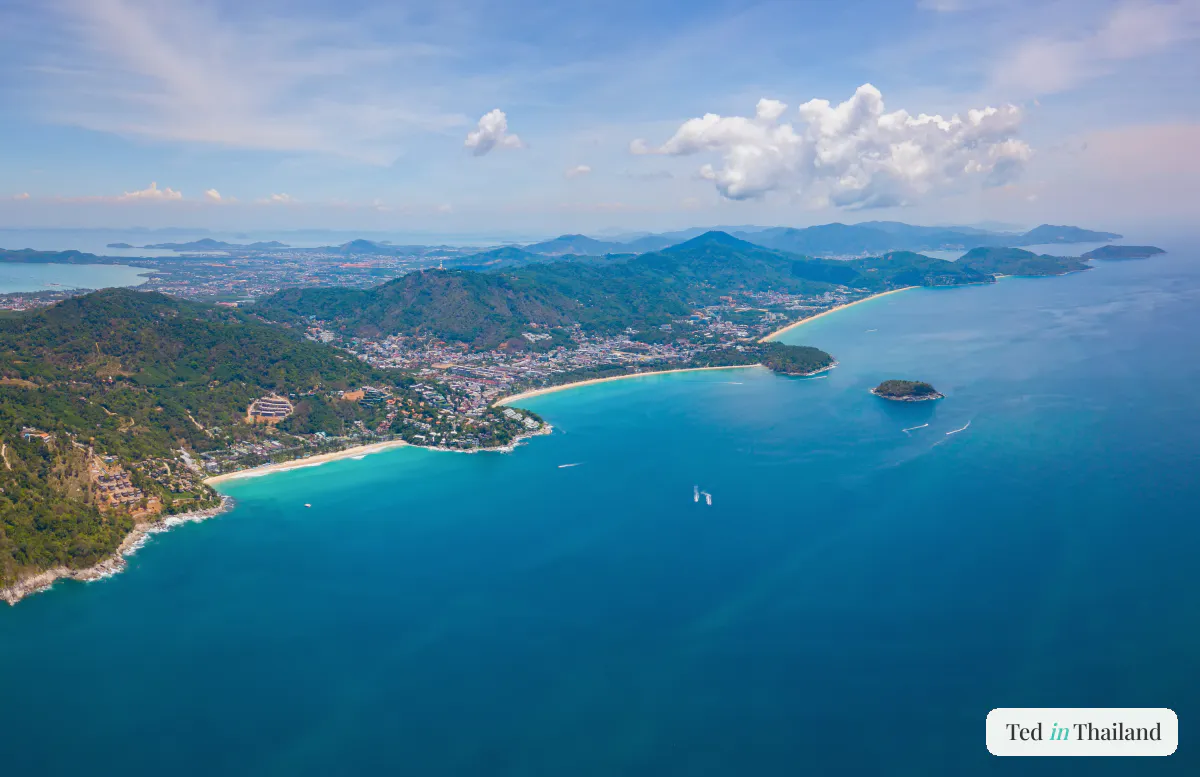
I'm going to be straight with you: if you came to this page looking for world-class scuba diving on Koh Samui, the honest answer is that the real action is about an hour north. After eight years living on this island, I've watched dozens of visitors try to squeeze a dive day into their Samui vacation and I've learned exactly how to make it work, when it's worth it, and when you're better off committing to a couple of nights on Koh Tao instead. Diving from Koh Samui is absolutely doable, and the Gulf of Thailand reefs are genuinely special. You just need to know the play.
Why Samui Divers End Up on Koh Tao
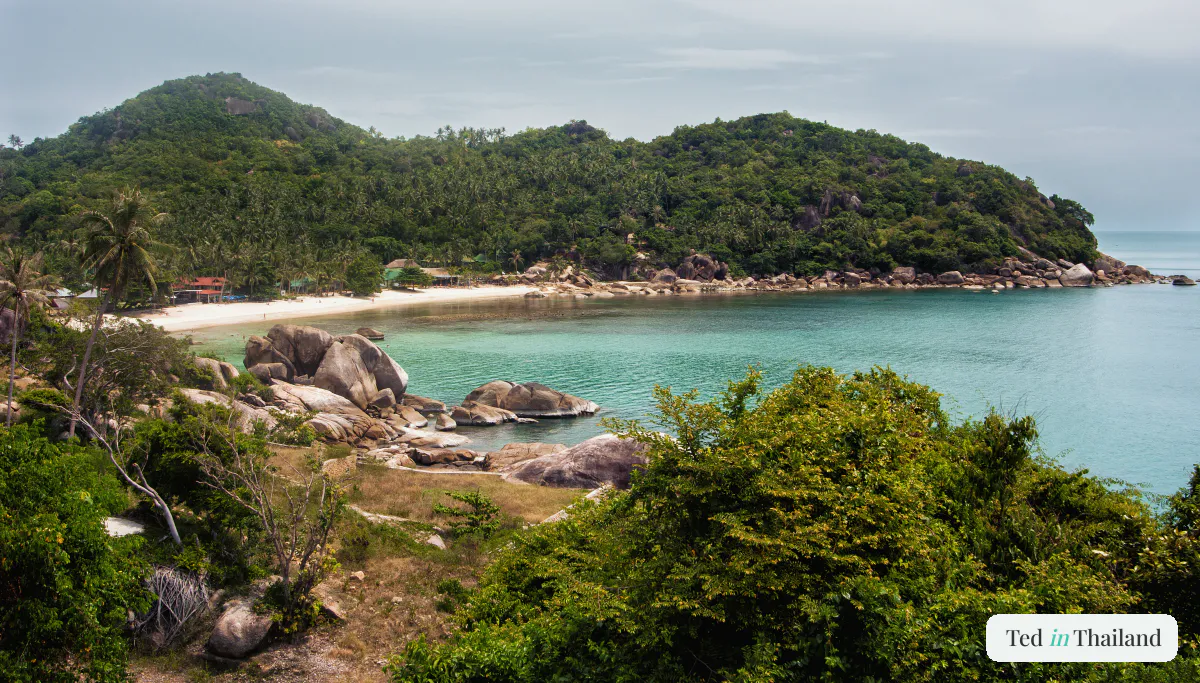
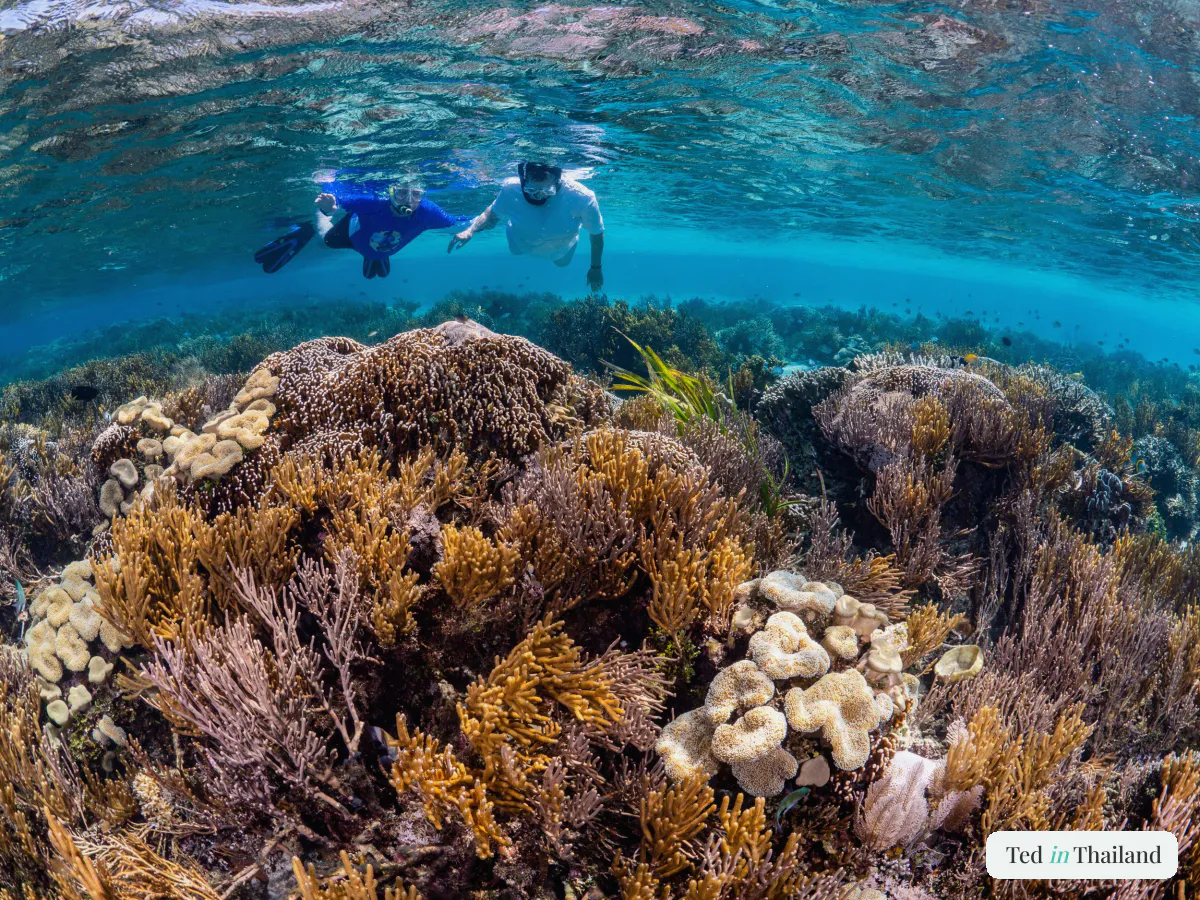
Samui's nearshore snorkeling is fine for a quick morning session. Spots like Silver Beach and Coral Cove have some reef life and rocky formations close to shore, and I've written a separate guide to Coral Cove if you want the full breakdown. But for serious scuba diving, Koh Tao is the regional hub, and it isn't close. The island has dozens of dive schools competing for your business, which keeps quality high and prices surprisingly reasonable. Short boat hops from Koh Tao's piers put you over sites like Japanese Gardens, Southwest Pinnacle, and the Chumphon Pinnacle area, where visibility regularly outperforms anything you'll find off Samui's coastline. It's one of the best diving destinations in the Gulf of Thailand, and for good reason.
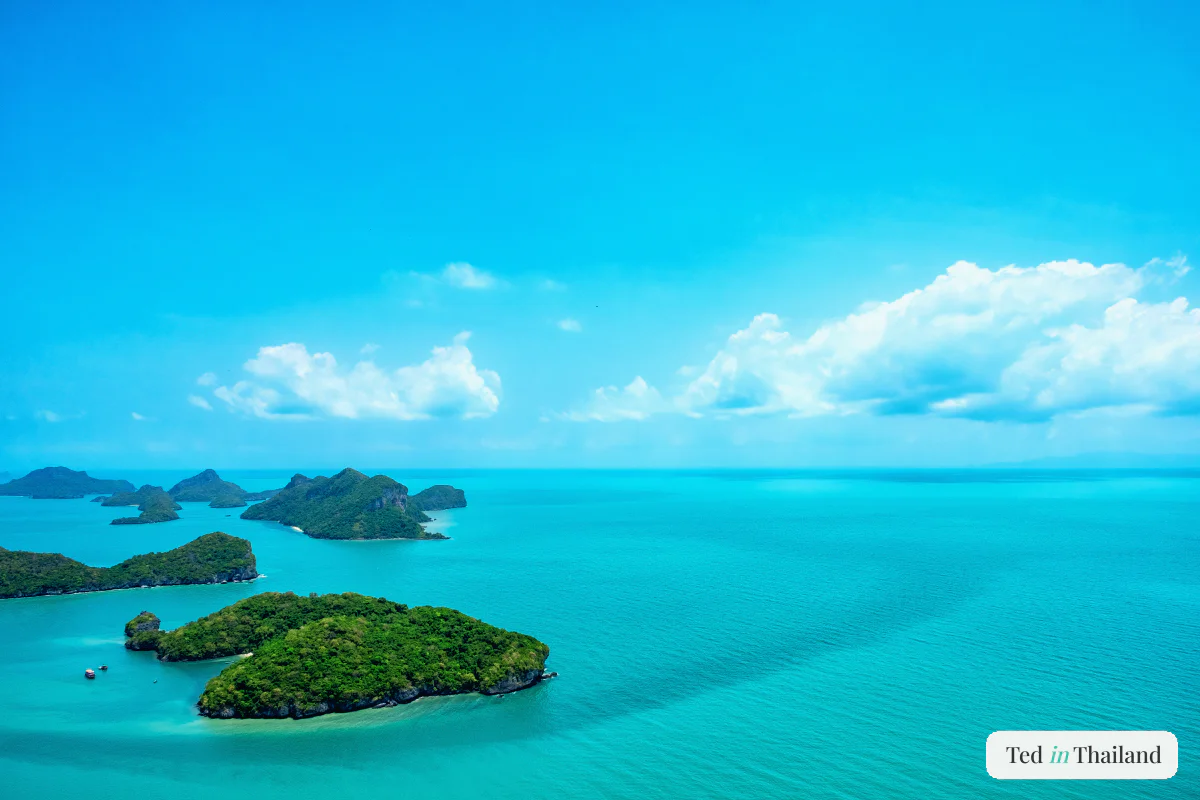
If your main goal is snorkeling rather than diving, I've got a full guide to snorkeling from Koh Samui that covers the closer island options like Koh Taen and Ang Thong National Marine Park.
Ted's Tip
If you're on a tight Samui schedule and just want one underwater experience, a day trip to Koh Tao beats any nearshore Samui dive. The reef life up there is in a different league.
Getting from Samui to Koh Tao
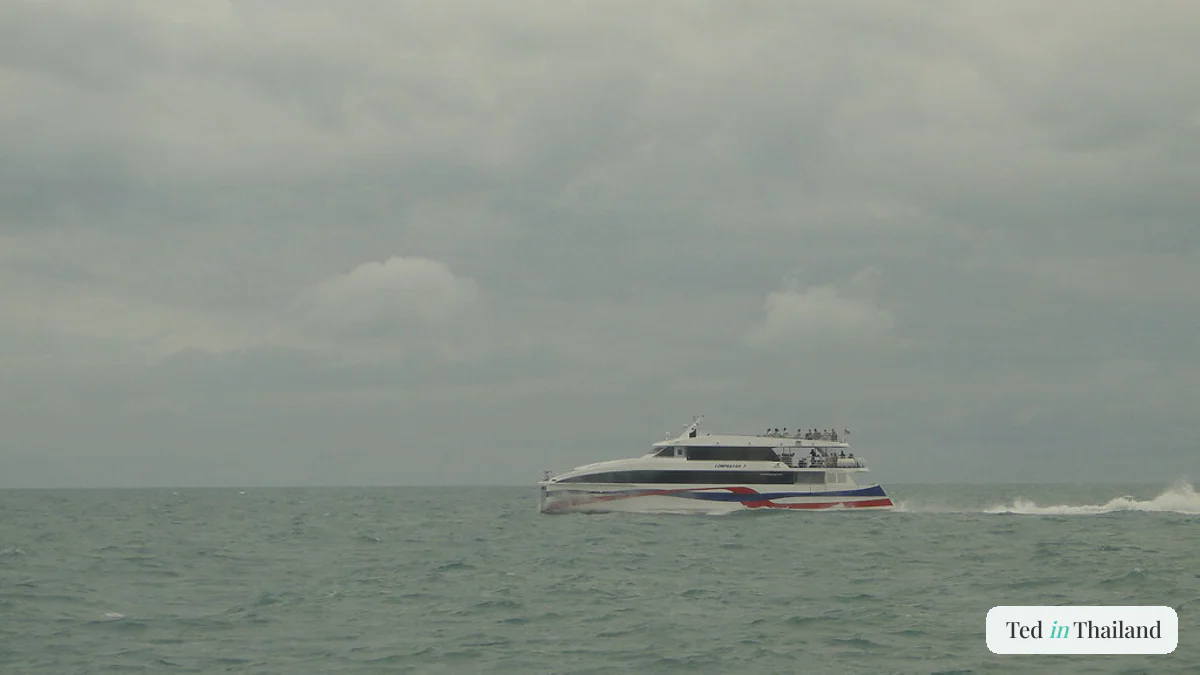
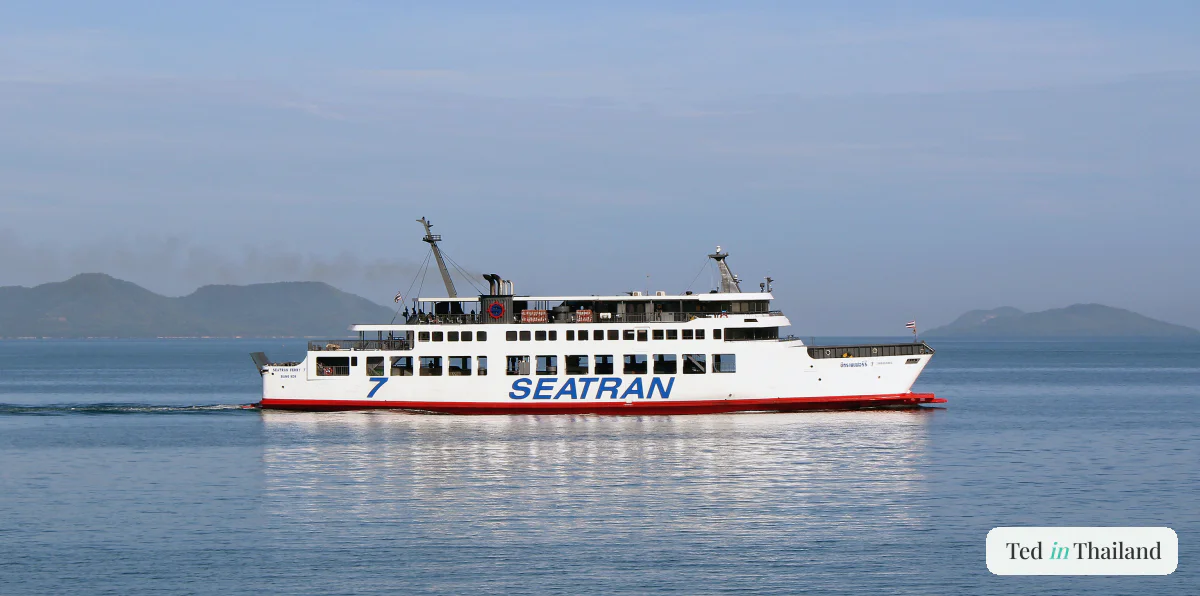
Two main ferry operators run the Samui to Koh Tao route: Lomprayah (high-speed catamaran) and Seatran. Lomprayah is the faster crossing, with departures typically clustered at mid-morning and early afternoon. Seatran runs a larger, steadier vessel that's more forgiving if your stomach isn't great on open water.
Here's how the day trip to Koh Tao usually works:
- Pickup: 7:00 AM-ish from Bangrak or Bophut pier
- Ferry crossing: roughly 1.5 to 2 hours depending on operator and sea state
- Diving/snorkeling on Koh Tao: several hours on site
- Return to Samui: by roughly 6:00 PM
Most combo day-trip packages run between 1,200 and 2,500 THB per person, depending on whether you're doing a snorkel tour or actual diving. The ferry schedule for Koh Tao departures changes seasonally, so double-check times the week before your trip.
Ted's Tip
Catamarans are steadier than speedboats, but if you're prone to seasickness, take your meds before boarding and grab a seat in the middle of the vessel. I've seen people learn this lesson the hard way halfway across the Gulf.
Day Trip vs. Staying the Night
Here's the friction point I always raise with friends who ask me about this: a Koh Samui to Koh Tao day trip is a long day. You're looking at 3 to 4 hours of total transit time, which compresses your actual dive or snorkel window. If you just want a Discover Scuba session or a couple of fun dives at well-known sites, a day trip works perfectly.
But if you're planning to get certified, do not try to cram a PADI Open Water course into a day trip from Samui. That's a 2 to 3 day commitment, and rushing it leads to exactly the kind of incomplete training that people complain about online. For certification, book yourself at least two nights on Koh Tao and do it properly.
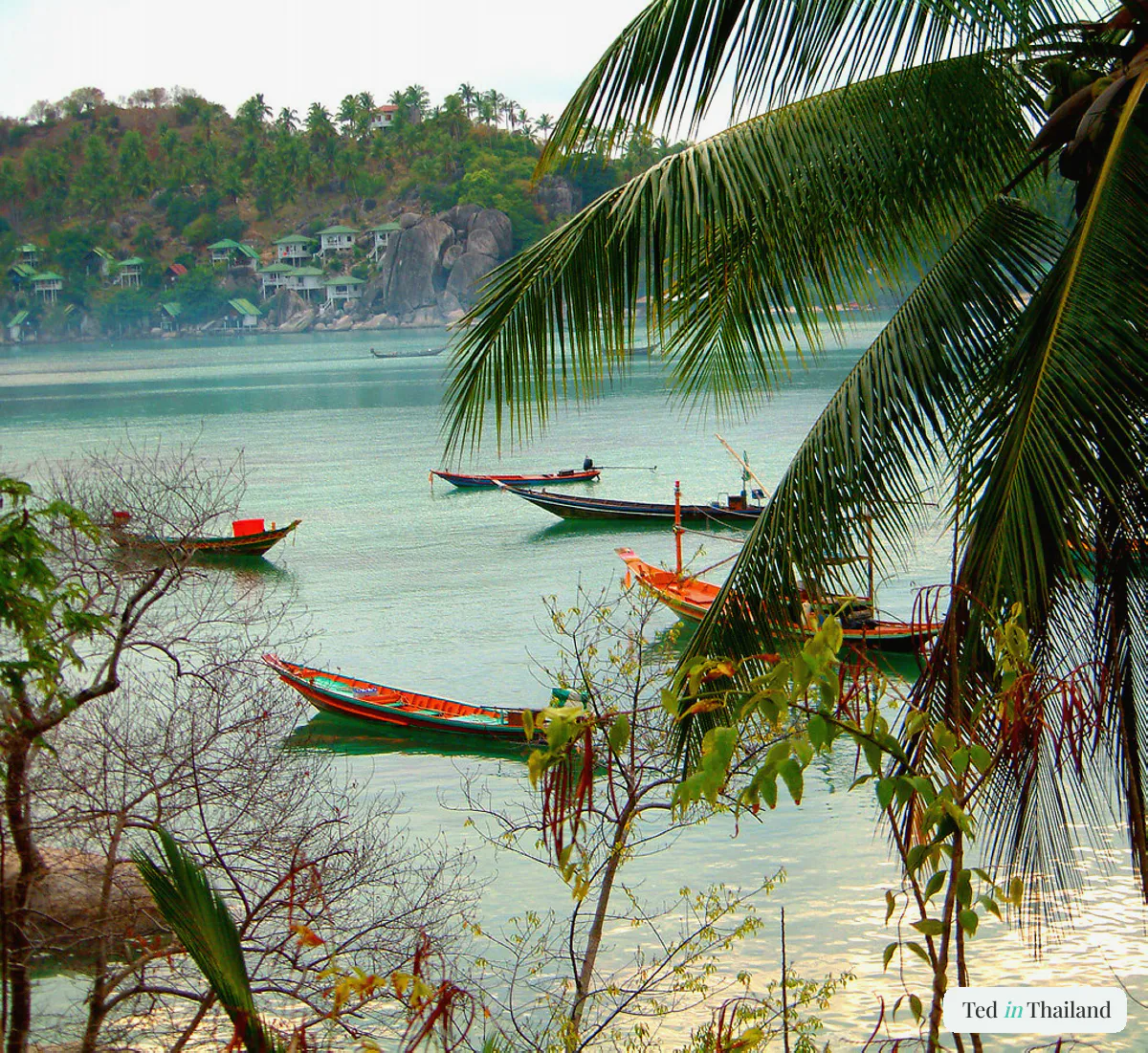
The good news? Koh Tao is a cool little island with cheap accommodation and solid food, so those extra nights aren't a burden on your budget. Think of it as a mini side-trip within your Samui vacation.
Still figuring out how to split your time? My How Many Days in Koh Samui guide helps you budget days for side trips like this one.
The Dive Sites Worth the Boat Ride
Koh Tao's dive sites are what make the trip worthwhile. A few names you'll hear constantly:
- Japanese Gardens (Koh Nang Yuan): shallow, colorful, perfect for newer divers and snorkelers. The famous Koh Nang Yuan viewpoint is right there too.
- Southwest Pinnacle: deeper, more advanced, known for barracuda schools and occasional whale sharks
- Chumphon Pinnacle: one of the Gulf's best deep sites, pelagic fish and solid visibility
- Tanote Bay and Mango Bay: excellent snorkeling bays with easy shore access, great for non-divers tagging along
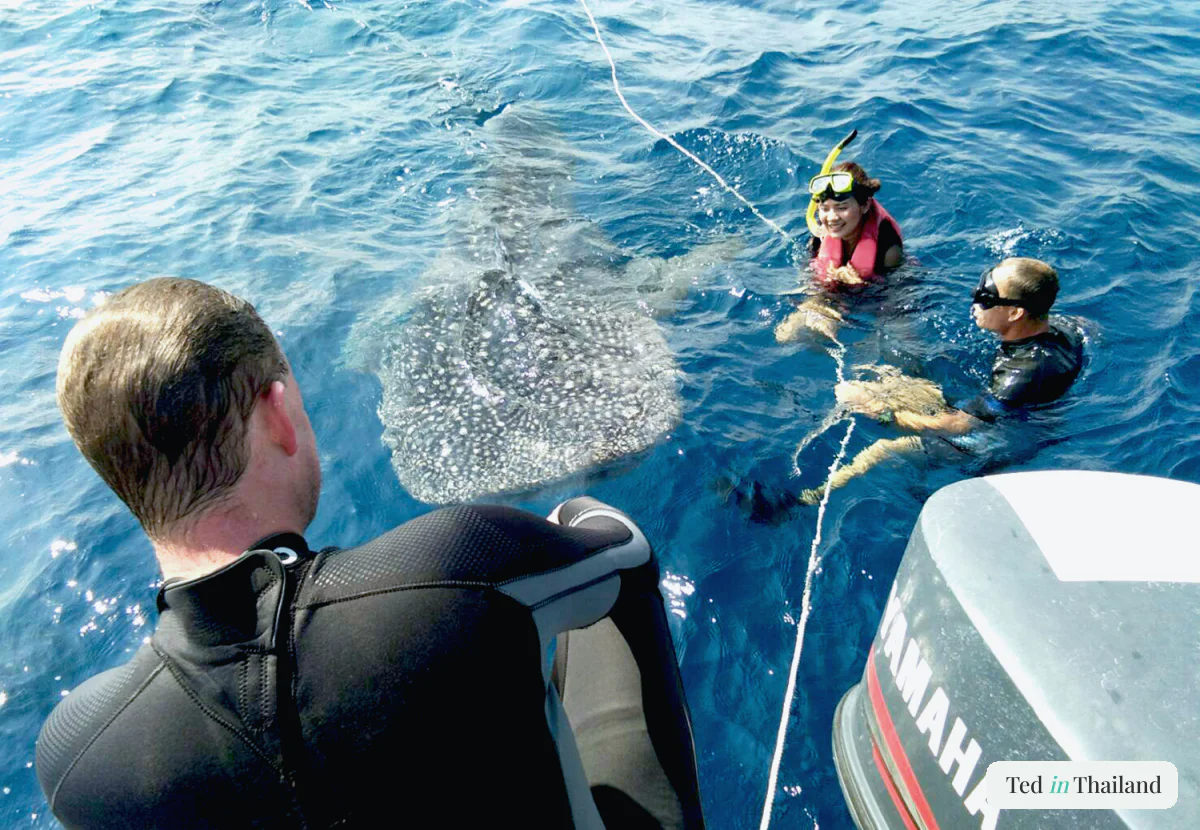
Visibility depends on weather and season, but Koh Tao generally delivers far clearer water than the nearshore Samui sites. Mornings tend to be calmer and clearer than afternoons.
Ted's Tip
If you're doing the best snorkeling on Koh Tao as part of a day trip, make sure the operator includes a Koh Nang Yuan stop. The viewpoint photo is worth it by itself, but the shoreline snorkeling there is fantastic too.
Certification, Discover Scuba, and Real Prices
Here's what things actually cost on Koh Tao:
- PADI Open Water certification: ~9,900 to 12,000 THB, depending on the school and what's included (eLearning, gear rental, boat fees)
- Discover Scuba (intro dive, no certification): ~3,000 to 4,500 THB for a single session
- Certified 2-tank fun dives: ~3,800 to 6,000 THB
Before you book anything, confirm exactly what's included. You want to know: Is eLearning prework part of the package or extra? Are gear rental, boat transfers, and insurance fees baked in? How many open-water dives are included versus pool/confined-water practice?
Some schools rush the course structure to crank through more students per week. If a shop is promising Open Water certification in less than two full days of in-water work, that's a red flag.
If you're working out where dive costs fit into your overall trip spend, my mid-range Samui vacation cost breakdown puts the numbers in context.
Choosing an Operator (and the Right Month)
This part matters more than people think. Not all dive operators are equal, and quality can change fast when crews or boats rotate. Here's how I'd approach it:
Safety questions to ask before you book:
- "Do you have emergency oxygen and fire extinguishers on the boat?"
- "When was the boat's last maintenance service?"
- "What's your instructor-to-student ratio for Open Water courses?"
If anyone gets cagey about those questions, move on. There have been real boat incidents in the region, and operator transparency about safety gear is the single most important filter.
Best time to visit Koh Tao for diving: The clearest visibility tends to fall roughly between March and September, though conditions vary year to year. High season (December through February) brings more divers and some choppier crossings, so book your courses in advance during those months. Availability at popular schools fills up faster than you'd expect.

Koh Tao shares Samui's Gulf weather patterns, so my Best Time to Visit Koh Samui guide is a solid planning companion for your dive dates.
Make sure your travel insurance explicitly covers scuba diving, including the depth you'll be at. A lot of standard policies either exclude diving entirely or cap it at certain depths. I've covered this in more detail in my travel insurance guide.
Ted's Tip
Check an operator's reviews from the last 90 days, not just the overall star rating. Crews and boats change, and a school that was perfect six months ago might have a new instructor team that isn't up to the same standard.
Wrap-Up
Diving from Koh Samui really means diving from Koh Tao, and once you accept that, the whole experience opens up. It's one of the best-value diving destinations in Southeast Asia, the ferry ride is easy to organize, and whether you want a casual Discover Scuba experience or a full certification course, the infrastructure on Koh Tao is built for exactly this. Just plan your time honestly: a day trip for fun dives, or two-plus nights for certification.
And for everything else worth doing once you're back on dry land, see my Best Things to Do in Koh Samui master guide.
Frequently Asked Questions
Can I scuba dive directly from Koh Samui?
Technically yes. There are Samui-based dive centers like Alpha Diving that run local Gulf dives and Discover Scuba sessions starting around 3,000 to 4,500 THB. But the visibility and reef quality is much better on Koh Tao, which is why most dive operators on Samui will actually transfer you there anyway.
How long is the ferry from Koh Samui to Koh Tao?
About 1.5 to 2 hours on Lomprayah's high-speed catamaran. Seatran runs a similar route. The ferry schedule for Koh Tao usually has departures in the morning and early afternoon, but check current times before your trip.
Is a Koh Tao day trip from Samui worth it?
For fun dives or snorkeling, absolutely. You'll be out the whole day (roughly 7 AM to 6 PM), but the underwater sites are worth the transit. For certification courses, a day trip doesn't give you enough time.
What's the best time to visit Koh Tao for diving?
Visibility tends to be best between March and September. High season (December to February) is busier and seas can be choppier, but diving runs year-round. Weather and recent rainfall affect conditions more than the calendar.
Do I need dive insurance for Koh Tao?
I strongly recommend it. Standard travel insurance often excludes diving or caps it at shallow depths. Specialist dive insurers provide explicit coverage for recreational and training dives. Check your policy wording before you leave home.