Renting a Scooter in Koh Samui: Scams, Safety & Licensing
Everything an 8-year local knows about renting a scooter on Koh Samui without getting scammed.
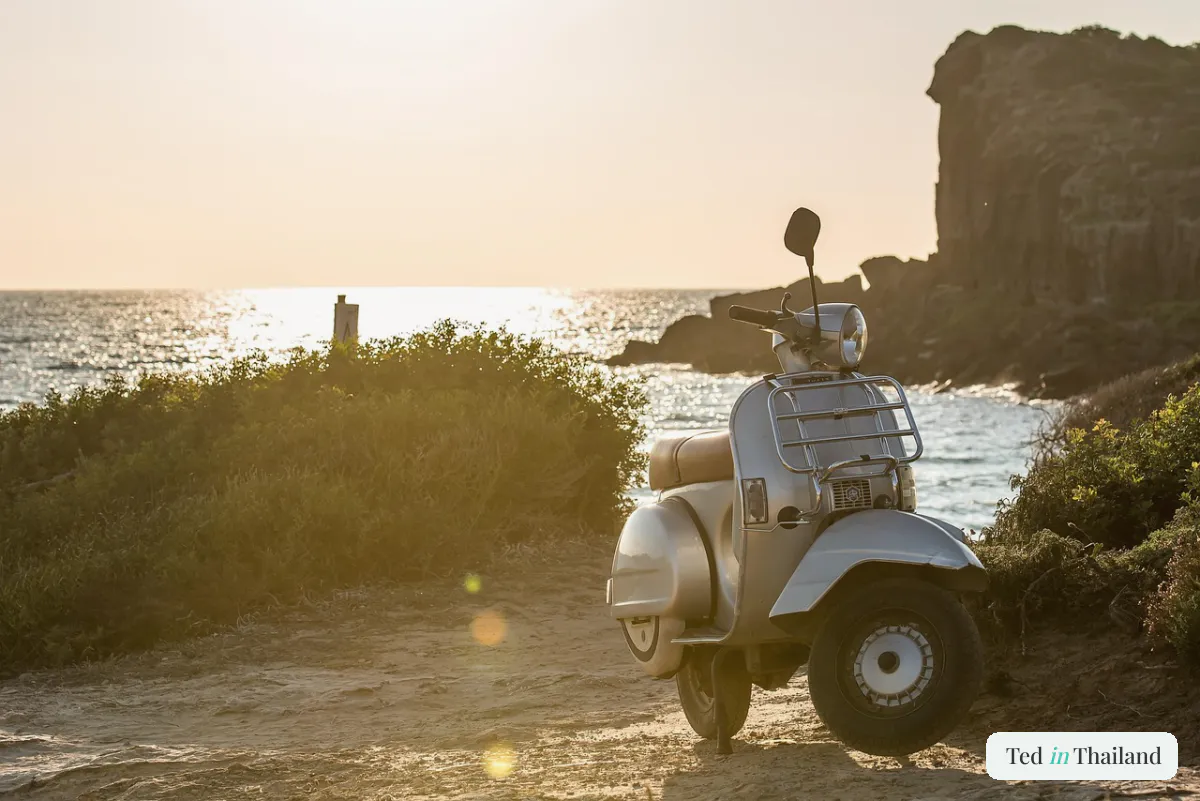
- Budget 200 to 400 THB per day for a scooter rental on Koh Samui
- Get your International Driving Permit before you fly or your insurance may be worthless
- Always take timestamped photos and video of the bike before riding away
- Never leave your passport with a rental shop; use a cash deposit instead
- Skip mountain roads after dark and always wear a helmet, fines are real
There's a moment every visitor to Koh Samui hits. You're standing at a rental shop, the warm gulf breeze is doing its thing, and a little 125cc scooter is calling your name for less than the price of lunch. I get it. After eight years of living on this island, I still think two wheels are the single best way to explore it. The freedom to pull over at a random coconut stand, chase a sunset down a quiet southern road, or zip from Chaweng to Lamai on your own schedule is unbeatable.
But here's the deal: I've also watched way too many travelers turn a dream holiday into a nightmare because they skipped a few basics. This guide covers everything you need to know about scooter rental on Koh Samui, from real prices and deposit tricks to the licensing rules that actually matter, plus the common scams I've seen play out dozens of times and exactly how to dodge them.
Scooter Rental in Koh Samui: Prices, Deposits & What to Bring
Renting a Samui scooter is cheap. Like, almost suspiciously cheap. A standard 125cc automatic will run you about 200 to 400 THB per day, depending on the shop and the bike's age. If you're staying longer, always ask for a monthly rate because discounts are common and some hotels even bundle motorcycle rental into their guest packages.
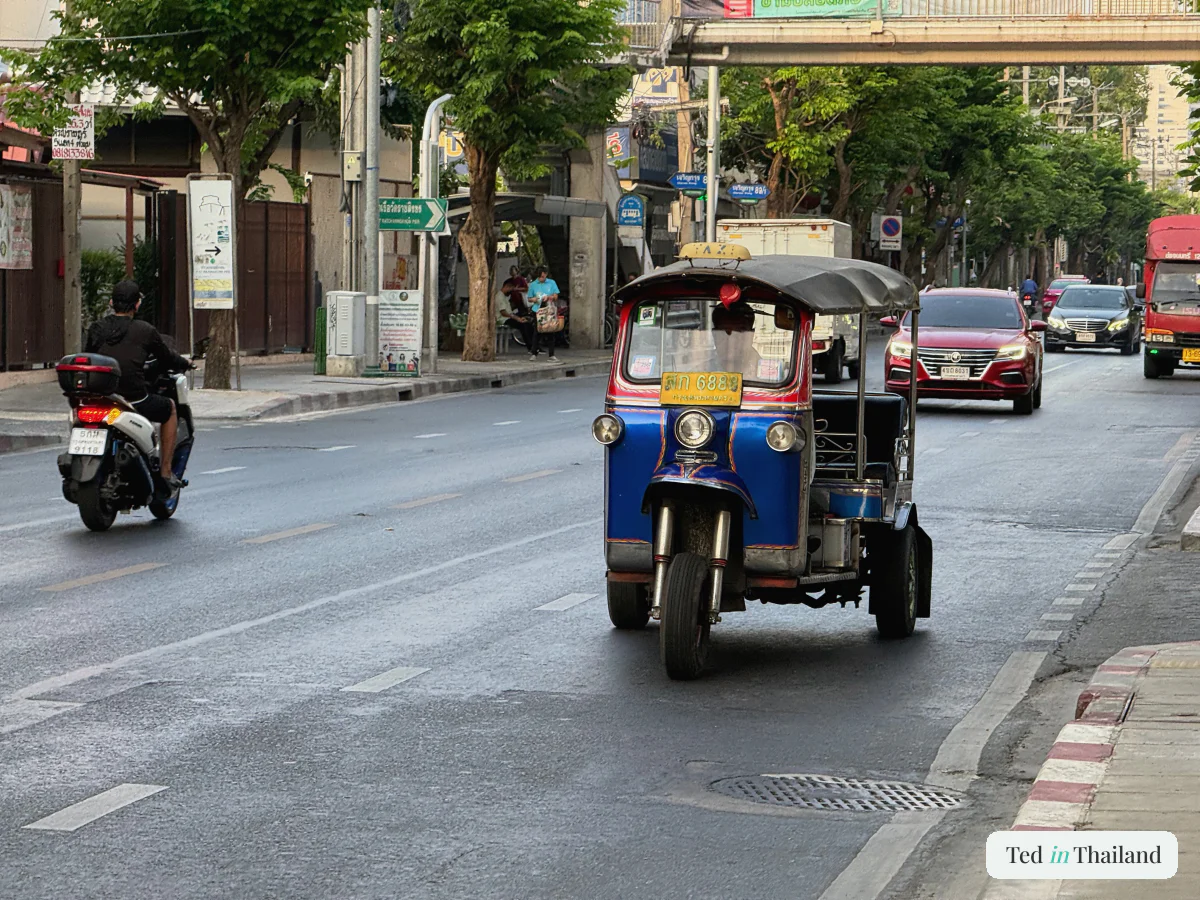
The deposit situation is where things get interesting. You'll typically see three options:
- Leave your passport (I strongly advise against this, and I'll explain why below)
- Leave a cash deposit, usually in the 3,000 to 6,000 THB range
- Leave a credit card imprint or photocopy plus a signed contract
The better shops will take a photocopy of your passport, ask you to sign a rental agreement, and accept a cash deposit. Always get a receipt. If a shop won't give you one, walk next door.
Before you ride off, bring these to the shop: your passport (for the photocopy), your home country driver's licence, your International Driving Permit if you have one, and a credit card for the hold if that's their setup.
Ted's Tip
Ask your hotel front desk if they partner with a specific rental shop. Hotel-affiliated rentals tend to be more accountable because the hotel's reputation is on the line, and you'll sometimes get a better daily rate thrown in.
The IDP and Licensing Question
This is the part most travelers skip, and it's the part that can cost you the most money. Thai police run licence checkpoints around the island, and if you can't produce a valid motorcycle licence, you're looking at a fine. More importantly, riding without one can void your travel insurance entirely, which means if something goes wrong, every medical bill lands on you.
Here's what you need: a motorcycle licence from your home country (not just a car licence) plus an International Driving Permit (IDP). The IDP is a simple translation document you get before you travel; most automobile associations back home issue them for a small fee.
I can't stress this enough: your travel insurance policy almost certainly has a clause about valid licences. If you crash without one, your insurer can and often will deny the claim. I've watched it happen to people who assumed it wouldn't matter. It matters.
Ted's Tip
Get your IDP sorted before you fly. It takes five minutes at your local auto association and costs next to nothing. That one piece of paper can be the difference between a covered hospital visit and a five-figure bill you're paying out of pocket.
Staying Safe on Samui's Roads

Alright, let's talk about the roads themselves. I love this island, but I'll be straight with you: the roads can bite. Samui has steep, winding interior sections with loose gravel, blind corners, and the occasional dog who has zero respect for your lane position. Most accidents I've seen fall into three categories:
- Loose gravel and wet pavement on mountain roads. The interior hills between the coasts are beautiful but narrow. Slow down on corners, use both brakes gently, and never brake hard mid-turn.
- Overloading the bike. Two people, two backpacks, and a bag of groceries on a 125cc scooter is a recipe for a wobble. Keep the load light and low.
- Getting cut off by larger vehicles. Cars and trucks sometimes overtake without warning. Ride defensively, keep distance from parked vehicles, and anticipate doors opening.
Helmets are mandatory for both rider and passenger, and this isn't a rule people just ignore anymore. Thailand raised helmet fines significantly in 2025, up to around 2,000 THB, and enforcement has been stepped up on Samui. If the rental shop can't provide two properly fitting helmets, consider that a red flag.
Save these numbers to your phone before you ride:
- Ambulance/Medical: 1669
- Police: 191
- Tourist Police (English help): 1155

Ted's Tip
Avoid mountain roads after dark. Lighting is minimal, stray animals wander freely, and even experienced riders get caught out by gravel patches they can't see. If you're heading to a viewpoint or the Secret Buddha Garden, go in the morning.
The Rental Scams You Need to Sidestep
I wish I didn't have to write this section, but after years of living here, I've seen the same three scams repeat on a loop. The good news is they're all easy to beat if you know the playbook.
The Passport Trap
A shop insists on holding your actual passport as "security." Then when you return the bike, they point to a scratch that was already there and demand cash before they'll give it back. Your passport becomes leverage.
The fix: Never hand over your passport. Offer a photocopy, a signed contract, and a cash deposit instead. If they refuse, walk away. There are plenty of shops that operate without holding passports.
The Phantom Damage Claim
You return the bike in the same condition you took it. The owner suddenly "discovers" a dent or scratch and demands immediate payment for repairs at inflated prices.
The fix: Before you leave the shop, take a timestamped walk-around video of the entire bike, both sides, front, and back. Get close-ups of any existing scratches. Film the odometer and fuel gauge. Photograph the rental contract. This three-minute habit is the single best protection against bogus damage claims. If a shop won't let you photograph the bike, that tells you everything you need to know.
The "It's Insured" Bluff
The shop tells you the bike is fully insured. You feel safe. Then you find out after an incident that there was no actual policy, or the coverage was basically nothing.
The fix: Ask to see the insurance certificate and policy number. If they can't produce paperwork, assume you're riding uninsured. Photograph whatever documents they do show you and check with your own travel insurer about what's actually covered.
Ted's Tip
Copy this phrase to your phone notes and show it at pickup if needed: "I have timestamped photos and video of this vehicle and the rental contract. Any damage not shown will be disputed and I will request a police report if my deposit or passport is withheld." You'll probably never use it, but having it ready changes the dynamic.
When to Skip the Scooter
Look, I'm a scooter guy. But I also believe in being honest, and for some people, renting one just isn't the right call. If you haven't ridden a motorcycle in years, if you plan to drink and ride at night, or if you're traveling with small kids, the risk-reward math doesn't work out.
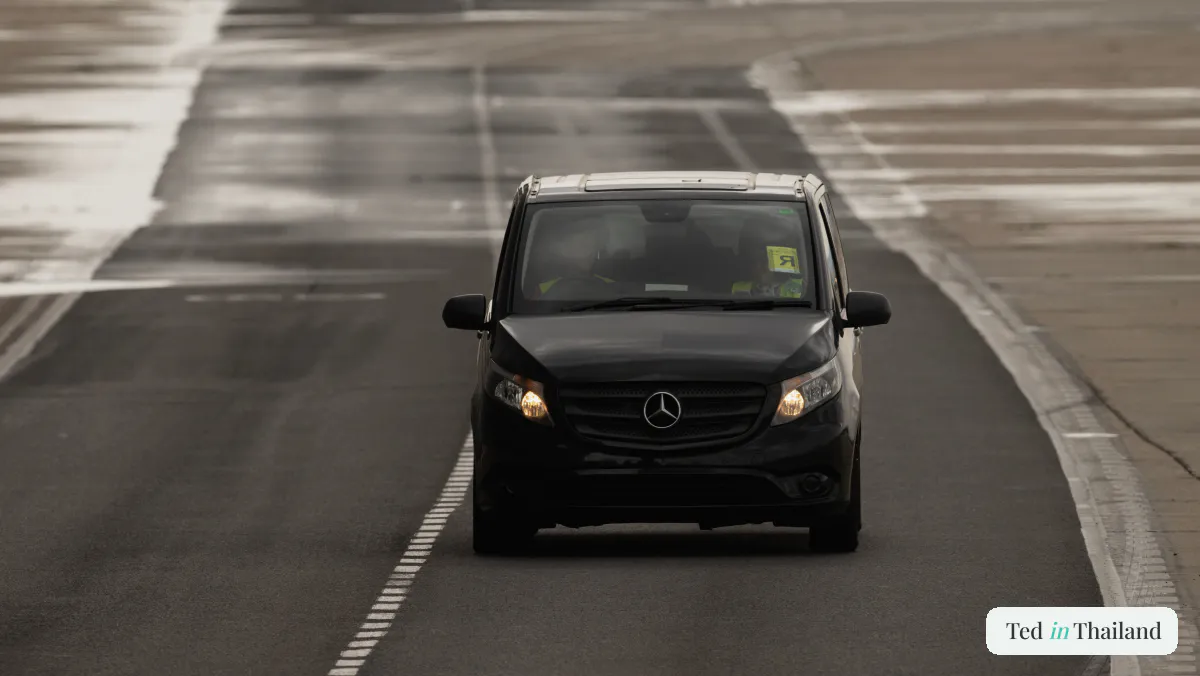
The alternatives are solid. A car rental on Koh Samui is easy to arrange and makes sense for families or groups splitting the cost. Hiring a driver for a half-day island tour is surprisingly affordable. Songthaews handle the main coastal routes for budget travelers, and ride-share apps like Grab and InDrive cover most of the island. I break down all of those options in my full Samui transport guide.

Ted's Tip
If you're on the fence, rent a scooter for one calm daytime ride around the ring road first. Stick to flat, well-paved coastal stretches. If you feel confident after that, explore further. If not, no shame in handing the keys back and calling a Grab instead.
Final Thoughts
A scooter gives you the best version of Koh Samui. The quiet southern beaches, the hilltop viewpoints, the random roadside pad thai that turns out to be the best meal of your trip. All of that is easier with your own wheels.

But do it smart. Get your IDP before you fly, take the three-minute video before you ride, never hand over your passport, and respect the mountain roads. That's really all it takes to keep the freedom without the drama.
Frequently Asked Questions
Do I need a licence to rent a scooter in Koh Samui?
Technically, most shops will rent to you regardless. But Thai police check licences at checkpoints and you'll face a fine without one. More critically, riding without a valid motorcycle licence can void your travel insurance, leaving you responsible for all medical costs if something happens.
Is it safe to rent a scooter in Koh Samui?
For experienced riders who take precautions, yes. Stick to the coastal ring road during daylight, wear a helmet, ride sober, and avoid overloading the bike. The mountain interior roads are where most accidents happen, usually due to loose gravel on blind corners.
Should I leave my passport with the scooter rental shop?
I strongly recommend against it. Offer a photocopy of your passport along with a signed rental contract and a cash deposit of 3,000 to 6,000 THB. Shops that insist on holding your actual passport create a situation where you have very little leverage if a dispute arises.
How much does it cost to rent a motorbike on Koh Samui?
A standard 125cc automatic scooter runs about 200 to 400 THB per day. Monthly rentals are cheaper per day. Many hotels offer bundled deals or can connect you with a trusted shop for a better rate.
What happens if I crash a rented scooter?
Call 1669 for medical help and 191 for police. Get a police report, photograph everything at the scene, and contact your travel insurer immediately. If you were riding without a valid licence, your travel insurance may deny the claim, so sort licensing before you ride.
